
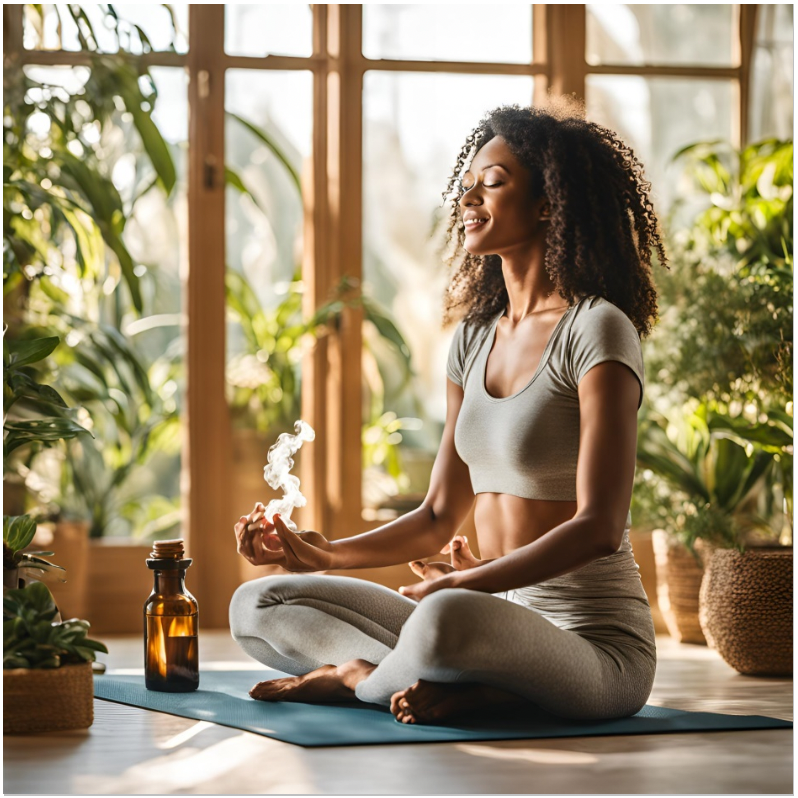
Anger is a powerful and natural emotion that can be triggered by various circumstances, from interpersonal conflicts to frustration caused by external situations. While it is a normal physiological response, managing anger can be a significant challenge in daily life. In this context, essential oil therapy has gained popularity due to its beneficial effects on emotional and physical well-being. Essential oils are extracted from plants and have been used for centuries to promote mental and emotional health.
How Do Essential Oils Help Manage Anger?
Essential oils influence the limbic system, the part of the brain responsible for processing emotions. Through inhalation, molecules from essential oils can stimulate different areas of the brain, helping reduce stress, anxiety, and anger. Additionally, aromatherapy can induce a deep state of relaxation, assisting in calming impulsive reactions and enhancing emotional balance.
Effective Essential Oils for Managing Anger
Lavender
Lavender is one of the most well-known essential oils for reducing stress and tension. Its calming effects help balance the nervous system, reducing anger and irritability. Studies show that inhaling lavender oil can significantly decrease anxiety symptoms and promote inner peace.
Chamomile
Chamomile essential oil has relaxing and anti-inflammatory properties, making it ideal for calming both the body and mind. It is especially effective in reducing accumulated tension and can help relax muscles, which often tighten during moments of anger.
Peppermint
Peppermint is a refreshing essential oil that stimulates mental clarity and reduces frustration. Inhaling this oil can help ease the mind and prevent impulsive outbursts of anger, providing a sense of refreshment and calm.
Ylang-Ylang
This essential oil is known for its relaxing and emotionally balancing properties. Ylang-ylang helps release emotional tension and cultivates a sense of inner harmony. It can be effective in combating feelings of anger and irritation.
Bergamot
Bergamot is often used to reduce stress and anxiety, as it has a calming effect on the nervous system. Inhaling this oil can help stabilize mood and prevent impulsive reactions associated with anger.
How to Use Essential Oils for Anger Management
Direct Inhalation
One of the simplest and most effective ways to use essential oils is through direct inhalation. Add a few drops of essential oil onto a tissue or handkerchief and inhale deeply. This method provides quick relief and helps calm anger instantly.
Diffusion
A diffuser is an excellent tool for dispersing the aroma of essential oils throughout a room. Diffusing your favorite essential oils for 20-30 minutes can create a relaxing and calming atmosphere.
Aromatic Bath
Adding a few drops of essential oil to a warm bath can help relax both the body and mind. The warm water opens the pores, allowing faster absorption of the essential oils, while their aroma induces a deep state of relaxation.
Massage with Essential Oils
Mix a few drops of essential oil with a carrier oil (such as almond or jojoba oil) and massage it into your neck, shoulders, and soles of the feet. This massage not only helps relieve muscle tension but also alleviates stress and anger.
Additional Benefits of Essential Oils
Beyond their effects on anger, essential oils offer other emotional and physical benefits. They can improve sleep quality, reduce anxiety and depression, and promote overall well-being. Incorporating essential oils into a daily self-care ritual can foster balance and support healthier emotional management.
Conclusion
Essential oils provide a natural and effective method for managing anger and other negative emotions. By integrating these oils into daily life, we can create a calmer and more balanced environment, reducing the impact of intense emotions on our mental and physical health.
While essential oils can be a valuable aid in anger management, it is important to combine this approach with other self-awareness and stress management practices to achieve long-term optimal results.